
Shri Jagat Prakash Nadda
Hon'ble Minister of Health & Family Welfare and Chemicals & Fertilizers

The National Health Policy, 2017 envisages- "the attainment of the highest possible level of health and wellbeing for all at all ages, through a preventive and promotive health care orientation in all developmental policies, and universal access to good quality health care services without anyone having to face financial hardship as a consequence".
The aim of NHM is to ensure progress towards the goals and targets set out in the National Health Policy, 2017 for ensuring "universal access to equitable, affordable and quality health care services, accountable and responsive to people's needs".
This would also enable the country to advance towards meeting Sustainable Development Goal3, i.e. "Ensure healthy lives and promote well-being for all at all ages", including Universal Health Coverage.


RMNCAH+N approach has been launches in 2013 and it essentially looks to address the major
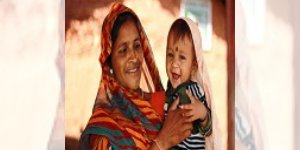
JSSK launched on 1st of June, 2011 is and initiative to assure free services to all pregnant women and sick neonates accessing public health.

The Ministry of Health & Family Welfare has launched a health programme for adolescents, in the age group of 10-19 years.
To provide effective healthcare to rural population throughout the country with special focus on 18 sates, which have weak public health indicators and/ or weak infrastructure.
To provide effective healthcare to rural population throughout the country with special focus on 18 sates, which have weak public health indicators and/ or weak infrastructure.
To increase public spending on health from 0.9% GDP to 2-3% of GDP, with improved arrangement for community financing and risk pooling.
To provide effective healthcare to rural population throughout the country with special focus on 18 sates, which have weak public health indicators and/ or weak infrastructure.
To increase public spending on health from 0.9% GDP to 2-3% of GDP, with improved arrangement for community financing and risk pooling.
To increase public spending on health from 0.9% GDP to 2-3% of GDP, with improved arrangement for community financing and risk pooling.
To undertake architectural correction of the health system to enable it to effectively handle increased allocations and promote policies that strengthen public health management and services delivery in the country.
To revitalize local health traditions and mainstream AYUSH into the public health system.
Effective integration of health concerns through decentralized management at district, with determinants of health like sanitation and hygiene, nutrition, safe drinking water, gender and social concerns.
Addresses inter State and inter district disparities.
Time bound goals and report publicly on progress.
To improve access to rural people, especially poor women and children to equitable, affordable, accountable and effective primary health care...
Reduction in child and maternal mortality
Universal access to public services for food and nutrition, sanitation and hygiene and universal access to public health care services with emphasis on services addressing women’s and children’s health and universal immunization.
Prevention and control of communicable and non-communicable diseases, including locally endemic diseases.
Access to integrate comprehensive primary health care.
Population stabilization, gender and demographic balance.
Revitalize local health traditions & mainstream AYUSH.
Promotion of healthy lifestyles.

Hospital doors are always open. No matter what time of day, hospital physicians and staff need to be prepared for anything – from treating life-threatening diseases or the common cold to aiding in emergency situations and disaster relief.

MediQlife Pharmaceutical Warehouse is a pharmaceutical company which is registered and regulated by the Ministry Of Health, Qatar. We are leading suppliers of a wide range of European and International branded authentic and original medicine and medical equipment from leading manufacturers.

We are a distributor of medical, scientific and laboratory equipment, consumables and disposables. Our selections of brand name products from leading international suppliers are sure to be your No. 1 choice.

It provides reuse of electronic registers of patients’ examination, etude, medicine, material, operation, admission, reports and of all healthcare corporation/organization services with niceties, examining quickly every application of a patient.

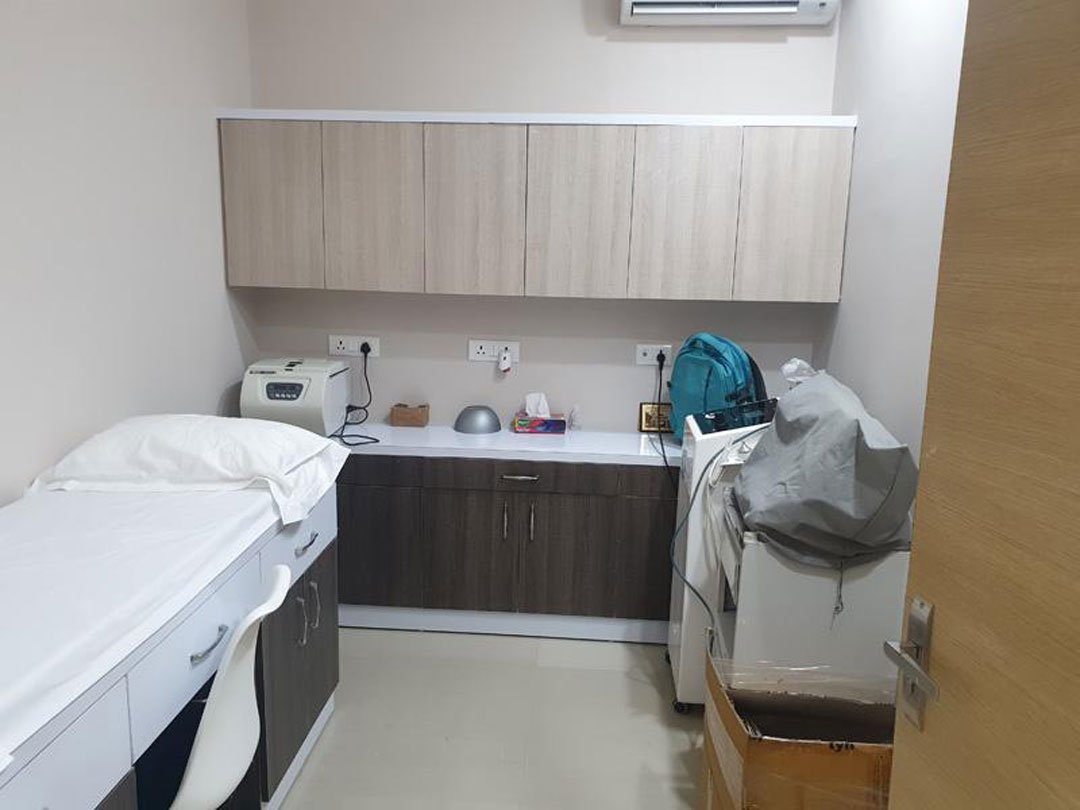
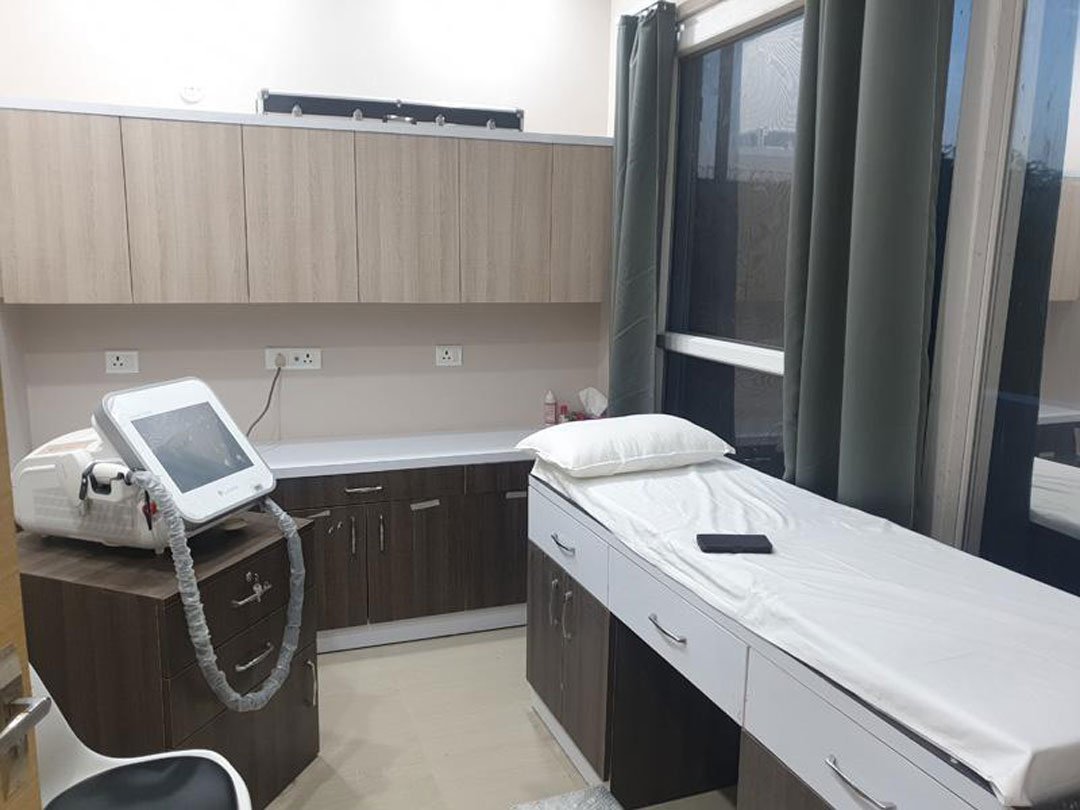
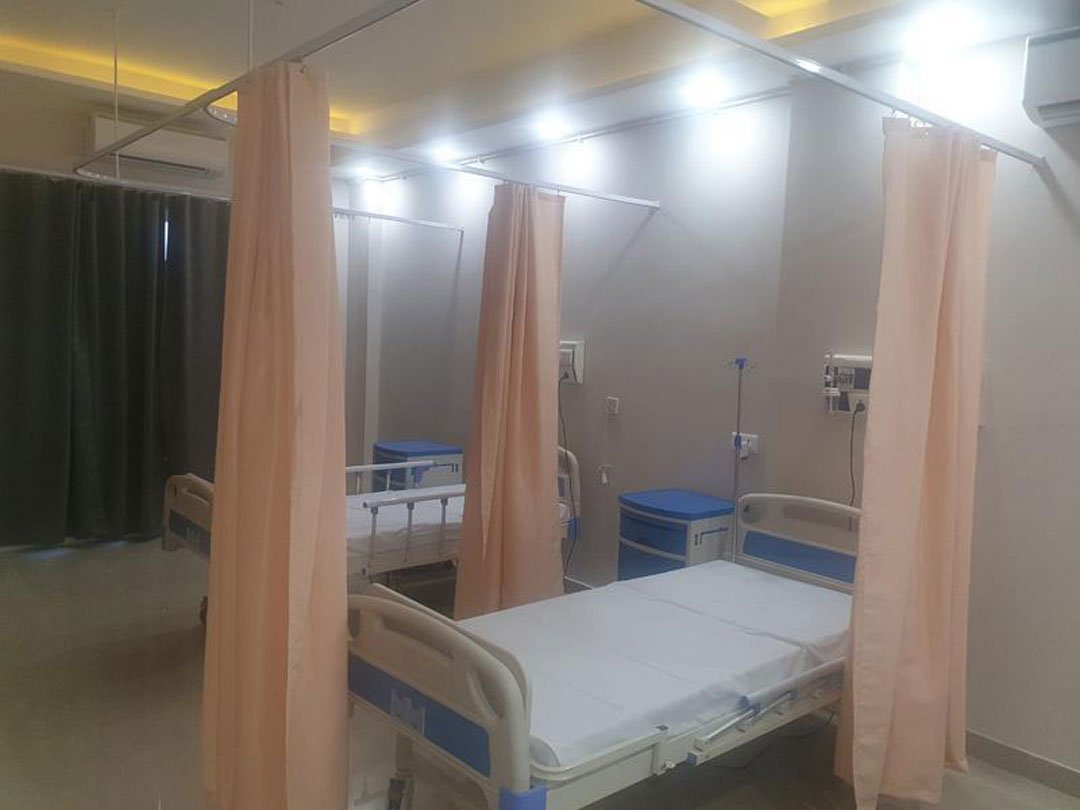
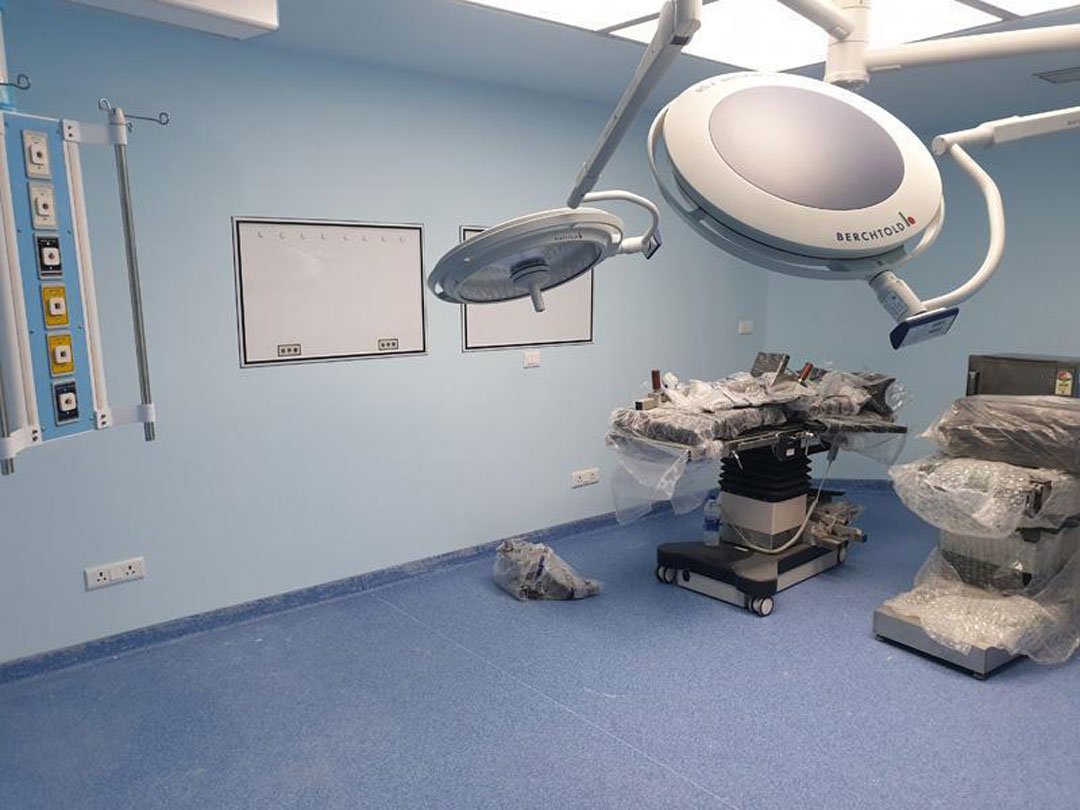
Setting up hospitals or healthcare service centers is a highly strenuous task. Nevertheless, with the introduction of total healthcare turnkey solutions, the process has become simple. Entrepreneurs who wish to set up healthcare services can take professional help from hospital planning consultants.
We are a distributor of medical, scientific and laboratory equipment, consumables and disposables. Our selections of brand name products from leading international suppliers are sure to be your No. 1 choice.
Setting up hospitals or healthcare service centers is a highly strenuous task. Nevertheless, with the introduction of total healthcare turnkey solutions, the process has become simple. Entrepreneurs who wish to set up healthcare services can take professional help from hospital planning consultants.